
LNU Outlines Waste Disposal Programs

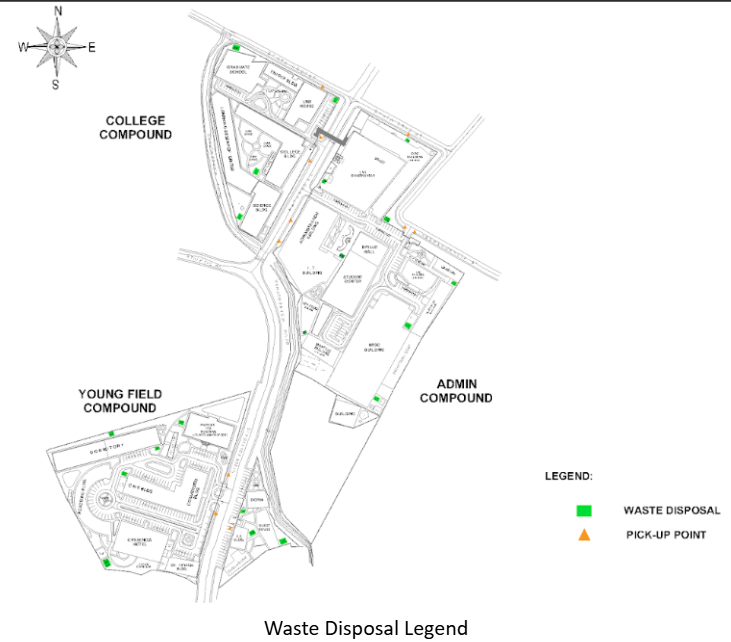
Leyte Normal University (LNU) is advancing its commitment to climate action and environmental sustainability with a robust, zero-waste initiative that goes beyond the typical “3Rs”—Reduce, Reuse, and Recycle. This program, based on a seven-step hierarchy with 15 distinct actions, aims to minimize the environmental impact on local ecosystems, especially waterways that support marine biodiversity.
Education is a key component of LNU’s strategy. Through curriculum integration, campus orientations, and visible posters, LNU promotes awareness of sustainable practices among students, faculty, and staff. Preventing waste is also a priority, with paperless processes for submissions and enrollment, and a focus on reusable items like water bottles and food containers.
To further reduce waste, LNU has implemented mulching and vermicomposting on campus, repurposing organic matter to enrich soil and support plant growth. Creative reuse practices are also encouraged, such as gathering single-sided paper for notes and using ecobricks made from plastic waste to add vibrant elements to campus spaces. Recycling is maximized by sorting waste into biodegradable, non-biodegradable, and recyclable categories, and collecting and reselling materials like plastic bottles and cans.
LNU emphasizes safe disposal by storing used batteries and bulbs responsibly and treating wastewater in septic tanks to prevent environmental contamination. Through these comprehensive efforts, LNU not only supports global sustainability goals but also plays an active role in preserving local waterways and marine ecosystems. This initiative reflects LNU’s dedication to environmental stewardship and serves as a model of sustainable practices for the community.
Published by: Rico Combinido, IT Support Office