Graduates with Teaching Qualifications
Number of Primary Education Graduates

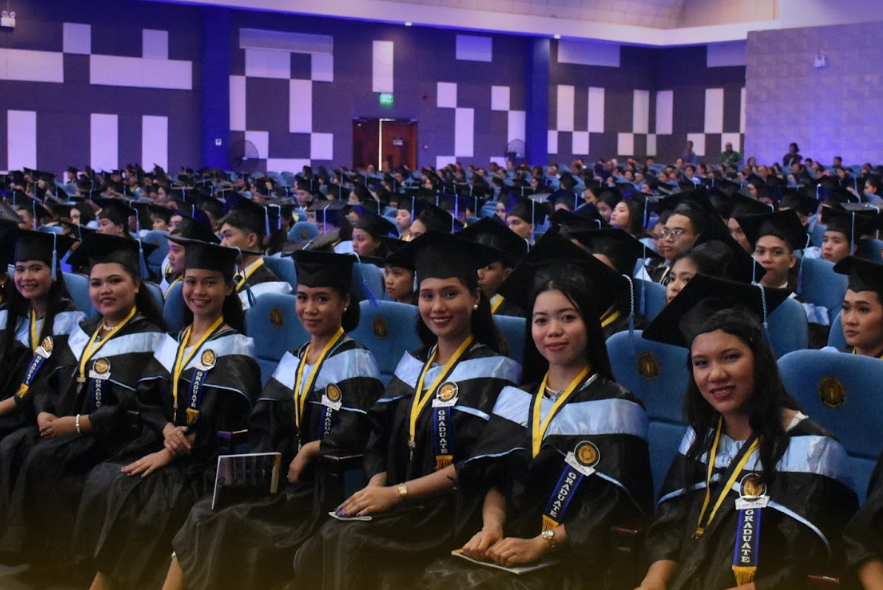
The data on the number of graduates from Leyte Normal University (LNU) from 2021 to 2024 demonstrates the University’s enduring commitment to Sustainable Development Goal 4 (Quality Education) by continually producing graduates who are equipped with the knowledge, skills, and values essential for sustainable development.
In 2021, LNU celebrated the achievement of 312 graduates, marking a pivotal period of transition as the education sector adapted to new modes of learning. The following year, 2022, recorded 1,812 graduates, reflecting the University’s strengthened academic delivery and its success in supporting students toward degree completion. In 2023, LNU reached a remarkable milestone with 1,955 graduates, representing the highest number in the four-year period—an indication of the University’s robust learning environment and strong institutional support for student achievement. By 2024, 1, 489 students successfully completed their programs, signifying continued educational success and sustained academic productivity.
This consistent record of student completion underscores LNU’s role in advancing SDG 4, particularly its emphasis on ensuring inclusive and equitable quality education and promoting lifelong learning opportunities for all. Each cohort of graduates reflects the University’s mission to cultivate competent, compassionate, and globally responsive professionals who contribute to community development and nation-building—embodying education as a transformative force for a more sustainable and inclusive future.
Graduates with Teaching Qualifications

The data on the number of graduates who gained a qualification to teach at the primary school level from 2021 to 2024 reflects Leyte Normal University’s (LNU) continuing contribution to Sustainable Development Goal 4 (Quality Education)—specifically, Target 4.C, which emphasizes increasing the supply of qualified teachers.
In 2021, LNU produced 103 primary education graduates, representing the University’s foundational efforts to sustain the teacher workforce amid the challenges brought by the pandemic. The following year, in 2022, the number rose to 205 graduates, demonstrating the institution’s strengthened academic recovery and commitment to preparing competent educators for the basic education sector. By 2023, LNU recorded 294 graduates, the highest within the four-year span, signifying the University’s success in supporting aspiring teachers to complete their professional qualifications. In 2024, the data showed that 517 graduates earned their degrees with teaching qualifications, continuing the University’s strong presence in nurturing qualified and dedicated educators.
This steady production of teacher education graduates’ highlights LNU’s vital role in strengthening the teaching profession and promoting inclusive and equitable quality education in the region. Through its rigorous academic programs and community-oriented training, the University ensures that more learners benefit from well-prepared and compassionate teachers—helping advance SDG 4 by improving the quality of teaching and learning at the foundational level of education.
Public Resources for Lifelong Learning
Free Access to Learning Resources and Facilities
The Leyte Normal University (LNU) is committed to ensuring equitable and inclusive access to its learning resources and facilities for all students, alumni, faculty, staff, partner State Universities and Colleges (SUCs), partner foreign universities, and members of the public—including public school learners and educators, early childhood and special needs educators, government agency personnel, retirees, community stakeholders, and other non-university individuals. These beneficiaries are granted the privilege to use and utilize the University’s learning resources and facilities in accordance with established institutional policies and guidelines. This initiative underscores LNU’s commitment to promoting lifelong learning and advancing inclusive access to quality education. Access to these resources is available during official working hours, subject to the University’s authority to grant, regulate, or revoke privileges as necessary.
Public Resources Available for Students
The University provides free access to the following educational resources (e.g. library, online lectures):
Free Access to Learning Resource Center (University Library)
The Leyte Normal University Undergraduate and Graduate Library established a link through a Memorandum of Agreement with other States Universities, and Colleges (SUC) in the Region, such as EVSU, SSU, NSU, and VSU, to allow students and faculty to maximize the use of library facilities, particularly for research endeavors. The LNU Library continuously allows students who are studying at the University to access the library for free. Attached are the sample letters issued by the head librarian of other schools to allow their students to use the LNU library.
Learning Resource Linkages
The Leyte Normal University being the Center of Excellence for Teacher Education in Region 8 has its Learning Resource Center as the first automated library in the region through the efforts of the former University President Dr. Cres V. Chan-Gonzaga who was the proponent of the grant as Center of Excellence in Teacher Education in Region 8 from the Department of Science and Technology that led to the automation of the library. LNU LRC being a SUC has a Memorandum of Agreement (MOA) with the other SUC’s in the region namely: Eastern Visayas State University (EVSU), Asian Development Foundation College (ADFC), Naval State University (NSU) now Biliran Province State University (BIPSU), Samar State University (SSU) and Southern Leyte State University (SLSU). The librarians are also members of the Eastern Visayas Region Librarians Council (EVRLC) The main purpose of the MOA between other SUCs is to provide access to and share information resources of the MOA between other SUCs is to provide access to and share information resources held across all the member libraries. Internationally, the Leyte Normal University has been linked with a Memorandum of Agreement with Siliwangi University in Indonesia. This linkage shows collaboration and partnership in forging quality education for the both institutions. Furthermore, the Asia Foundation has been active in providing useful information resources such as books on Education, Teaching, Management, Politics, Sciences, Mathematics, Literature and English Language. There are also other institutions which have been partners in enriching the collections of the LRC. This includes the National Library and CD Books International to name a few. Aside from institutions, some private individuals including past presidents, retired faculty members and alumni of the University have also donated information resources to the library.
For more details, click on this link.
Related Activities
- LNU Extends Learning Materials for BFP’s “Balay ni Berong” Project
- Support to PNP’s “BIBLIYAnihan” Program Through Book Donation
Public Events for Lifelong Learning
Leyte Normal University remains steadfast in its commitment to delivering quality education through the promotion of lifelong learning. The University upholds the principle of accessible and equitable education for all, while advancing inclusive pathways for continuous learning and fostering transformative community engagement initiatives. In pursuit of these goals, the University organizes a wide range of educational events for students, faculty, staff, alumni, stakeholders, and the general public. These activities aim to enhance the professional growth of faculty, staff, alumni, and stakeholders, while strengthening the knowledge and skills of students and community members. Through these initiatives, Leyte Normal University continues to nurture holistic education and empower individuals toward lifelong learning and community development.
LNU’s National Research Conference in Filipino Language and Literature: Advancing SDG 4 Through Research and Lifelong Learning
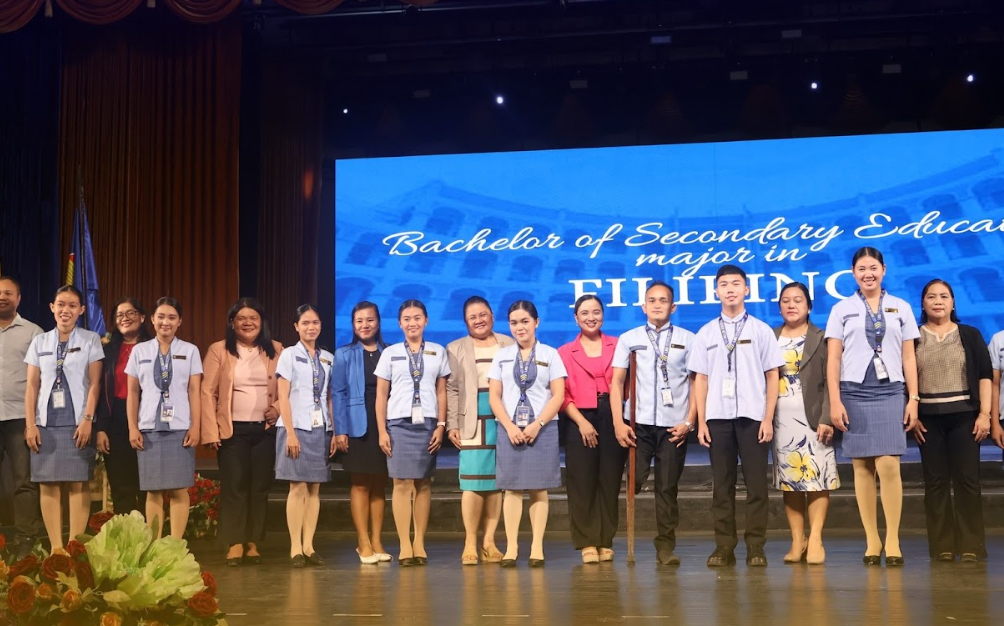
Since 2021, Leyte Normal University (LNU), through its Center for Language and Culture and the Filipino Language Unit, has institutionalized the National Research Conference in Filipino Language and Literature as a sustained initiative toward language preservation, research excellence, and cultural enrichment. Anchored on the goals of Sustainable Development Goal 4 (Quality Education), the annual conference embodies the University’s mission to promote inclusive, equitable, and lifelong learning opportunities by nurturing scholarly engagement and cultural appreciation within and beyond the academe.
Strategically held in celebration of Buwan ng Wika (National Language Month) every August and Buwan ng Panitikan (Literature Month) every April, the conference aligns LNU’s academic efforts with national cultural and educational priorities. It serves as a vibrant platform for the exchange of peer-reviewed research, pedagogical innovations, and creative works in the fields of language, literature, and culture. Through this platform, LNU fosters interdisciplinary dialogue among scholars, educators, and practitioners, advancing both the theoretical and methodological development of Filipino linguistic and literary studies.
As a sustainable and inclusive institutional program, the conference welcomes participation from faculty members, researchers, alumni, and students of LNU, as well as educators and research practitioners from various State Universities and Colleges (SUCs) and public schools nationwide. This open and collaborative structure underscores the University’s belief that knowledge creation and cultural appreciation are lifelong pursuits accessible to all.
In its most recent iteration, the National Research Conference in Language and Literature engaged 52 educators and 205 students from different regions across the Philippines. Their active participation demonstrates not only the conference’s growing national reach but also LNU’s enduring role as a catalyst for research-based learning and cultural dialogue.
Through this continuing initiative, Leyte Normal University reinforces its commitment to SDG 4 by fostering lifelong learning communities that value critical inquiry, linguistic diversity, and cultural sustainability—empowering both educators and learners to contribute meaningfully to national identity, intellectual advancement, and sustainable development.
List of Lifelong Learning Activities
- Strengthening Quality Education and Lifelong Learning through the National Research Conferences in Filipino Language (2021–2025)
- Four-Year Series of National Research Conferences in Literature (2022–2025): Fostering Research, Creativity, and Lifelong Learning
- LNU Holds Intensive Review and Final Coaching for Graduating Education Students
- Orientation for Tara, Basa! Tutoring Program
Vocational Training Events
Leyte Normal University (LNU) advances the United Nations Sustainable Development Goal 4 (Quality Education) by promoting free, equitable, and holistic learning opportunities for all. The University recognizes education as a lifelong process and therefore extends its academic mission beyond the classroom through inclusive activities that involve faculty, students, and members of the wider community.
As part of this commitment, LNU regularly hosts executive education programs and short courses that are open to the general public. These initiatives provide accessible venues for professional development, upskilling, and community learning, enabling individuals who are not formally enrolled in the University to benefit from its academic resources and expertise. Through these programs, LNU strengthens its role as a learning hub for Eastern Visayas—bridging higher education, community empowerment, and lifelong learning in pursuit of inclusive and quality education for all.
List of Free Short-course Programs
- LNU Conducts Training on Music Integration in Language Education
- LNU Strengthens English Language Teaching Pedagogies through Free Teacher Training Workshop
- LNU Conducts Free Occupational First Aid and CPR Training for Campus and Community Responders
- Leyte Normal University Supports Nuclear Science Education for Region VIII Teachers
Educational Outreach Activities Beyond Campus
Leyte Normal University (LNU) continues to affirm its unwavering commitment to Sustainable Development Goal 4 (Quality Education) by expanding the frontiers of learning beyond the confines of the classroom. Anchored on its mission to nurture lifelong learners, LNU’s education outreach initiatives bring the essence of inclusive and equitable learning directly to communities, ensuring that education remains a right and not a privilege.
Through its dynamic programs, the University reaches out to learners of all ages and social backgrounds, empowering them with the knowledge and skills needed for personal and collective growth. These initiatives serve as a bridge between the university and the wider community, reinforcing LNU’s role as a center of learning excellence in the Eastern Visayas region.
Among its flagship programs, the Basic Literacy Program in four adopted barangays of Tacloban City provides essential reading, writing, and numeracy skills to underserved learners, helping them rediscover the transformative power of education. The Journalism Training for Grade School Learners nurtures young communicators, enhancing their confidence, creativity, and awareness of responsible media practices.
Meanwhile, the Free Board Licensure Examination for Professional Teachers (BLEPT) Review for education graduates in San Isidro, Leyte, reflects LNU’s commitment to supporting future educators by equipping them with the competencies and confidence necessary to excel in their chosen profession.
Further strengthening its global collaboration, the UNESCO–LNU partnership on Alternative Learning System (ALS) initiatives empowers girl learners and promotes inclusive education, ensuring that no learner—regardless of gender or circumstance—is left behind.
Through these sustained efforts, Leyte Normal University not only advances the ideals of quality and accessible education but also cultivates a culture of lifelong learning and social responsibility. LNU stands as a beacon of hope and empowerment, guiding communities toward a more informed, equitable, and sustainable future.
List of Educational Outreach Activities
- LNU Extends Lifelong Learning and Quality Education through Basic Literacy Program in Four Adopted Barangays of Tacloban City
- LNU Faculty Conduct Journalism Training for Grade School Learners
- LNU Conducts Board Licensure Examination for Professional Teachers (BLEPT) Free Review for Education Graduates in San Isidro, Leyte
- UNESCO and LNU Collaborate to Strengthen ALS Education and Empower Girl Learners
- LNU Lays Groundwork for Special Education Support with Data Collection at Caibaan Elementary School in Tacloban City
- LNU and Bato National High School Strengthen Educational Ties through Consultative Meeting
- LNU Professors Lead Mentorship Workshop for Laboratory High School Teachers in Biliran Province State University
- Project Boxskwelahan: Fostering Quality Education and Lifelong Learning
- LNU Strengthens Community Bonds through Bayanihan Challenge in Basey, Samar
Lifelong Learning Access Policy
Section 1. Policy Statement
Leyte Normal University (LNU) upholds its institutional mandate as a state university committed to advancing inclusive, equitable, and lifelong learning opportunities for all. Consistent with the principles of Sustainable Development Goal 4 (Quality Education), the University shall ensure that educational opportunities are accessible to all individuals regardless of ethnicity, religion, disability, immigration status, age, or gender. This policy reinforces LNU’s role as an enabler of lifelong education and community empowerment within and beyond the Eastern Visayas region.
Section 2. Policy Objectives
This policy aims to:
- Promote inclusive access to quality education and lifelong learning for all sectors of society.
- Strengthen the University’s engagement with communities through outreach, continuing education, and non-formal learning programs.
- Institutionalize mechanisms that extend LNU’s academic and human resources to promote lifelong learning beyond the formal academic system.
Section 3. Implementing StrategiesTo realize these objectives, LNU shall pursue the following initiatives:
- Access to Educational Resources – Provide community stakeholders not currently enrolled at the University with reasonable access to educational resources such as the Learning Resource Center, computer laboratories, online learning platforms, and selected lectures or courses.
- Public Educational Engagements – Host events open to the general public, including public lectures, symposia, academic and cultural forums, and community educational activities designed to promote civic learning and knowledge dissemination.
- Continuing, Executive, and Vocational Education – Implement short courses, executive programs, and non-formal or vocational training opportunities that enhance professional competencies, entrepreneurial skills, and employability.
- Community-Based Learning and Outreach – Undertake faculty- and student-led educational outreach programs in local schools and communities, including literacy programs, teacher training, and mentoring activities that promote inclusive and transformative learning.
Section 4. Legal Bases
This policy is anchored on the following legal and institutional frameworks in the Philippines:
- Republic Act No. 7722 (Higher Education Act of 1994): Mandates higher education institutions to contribute to nation-building through quality education, research, and extension services.
- Republic Act No. 10968 (Philippine Qualifications Framework Act): Institutionalizes lifelong learning through recognition of prior learning, ensuring vertical and horizontal progression across education levels.
- Republic Act No. 10533 (Enhanced Basic Education Act of 2013): Promotes inclusive and relevant education responsive to community needs and global standards.
- Republic Act No. 8292 (Higher Education Modernization Act of 1997): Grants state universities and colleges the authority to expand academic programs and engage in extension and community development services.
- Philippine Development Plan and Ambisyon Natin 2040: Advocate for inclusive human capital development and lifelong learning as essential elements of sustainable national progress.
- CHED Memorandum Orders (CMOs) on Extension Programs and Continuing Professional Education: Provide guidelines for SUCs in implementing community-based and continuing education programs aligned with national development goals.
Section 5. Policy Alignment
This policy supports the University’s alignment with the United Nations Sustainable Development Goals (SDG 4: Quality Education) and contributes to the Commission on Higher Education (CHED) Agenda on Access, Equity, and Global Excellence.
Through these initiatives and guiding principles, Leyte Normal University continues to champion the cause of lifelong learning as a transformative force—empowering individuals to pursue education at every stage of life, fostering innovation and social equity, and contributing to the broader goal of building a just, knowledgeable, and sustainable society.
Number of Enrolled Students (2021-2024)

The total number of enrolled students at Leyte Normal University (LNU) from 2021 to 2024 reflects a pattern of steady recovery and sustained growth in the University’s academic population. In 2021, enrollment stood at 6,868 students, marking a period of adjustment likely influenced by the lingering effects of the pandemic on higher education participation. The following year, in 2022, LNU experienced a significant rebound, reaching 7,374 students, as the resumption of on-site and blended learning modalities encouraged more learners to return to formal education.
In 2023, enrollment showed a slight dip to 7,182, which may be attributed to transitional academic adjustments or graduation cycles, yet the number remained consistently high—demonstrating the University’s strong retention and continuous appeal among prospective students. By 2024, the trend regained positive momentum, with 7,277 enrollees, signaling a stable and resilient academic community.
Overall, the four-year data reveal that LNU has effectively maintained an upward and stable enrollment trend, reinforcing its reputation as a leading teacher education and higher learning institution in Eastern Visayas. The consistent student turnout reflects the University’s commitment to accessibility, quality education, and the promotion of lifelong learning opportunities aligned with Sustainable Development Goal 4 (Quality Education).
Number of Students Starting a Degree (2021-2024)

The data on the number of students starting a degree at Leyte Normal University (LNU) from 2021 to 2024 reflects a steady pattern of growth and sustained interest in higher education. In 2021, LNU recorded 1,696 new degree students, marking the beginning of a progressive trend in student admissions. The following year, in 2022, the number of new entrants rose to 2,056, signaling renewed enthusiasm for university education as learners adapted to post-pandemic learning modalities.
This positive trajectory continued in 2023, when 2,149 students began their academic journey at LNU—the highest intake across the four-year period. By 2024, the University maintained a strong enrollment of 1,719 new students, demonstrating continued confidence in LNU’s academic reputation and its commitment to quality education.
Overall, the four-year data underscores the University’s consistent ability to attract aspiring learners across various programs. It reflects LNU’s dedication to providing inclusive, accessible, and transformative educational opportunities, in alignment with Sustainable Development Goal 4 (Quality Education) and its mission to empower communities through lifelong learning.
Number of First-Generation Students Starting a Degree (2021-2024)

The data on the number of first-generation students starting a degree at Leyte Normal University (LNU) from 2021 to 2024 highlights the University’s ongoing efforts to open doors of higher education to students who are the first in their families to attend college.
In 2021, LNU welcomed 662 first-generation students, showcasing its role as an accessible institution for learners from diverse backgrounds. The following year, 2022, recorded the highest number with 720 students, reflecting strong participation and growing awareness of educational opportunities for first-generation learners. In 2023, 420 students began their academic journey as pioneering members of their families in higher education—demonstrating continued engagement and inclusivity within the University’s programs. By 2024, 541 first-generation students enrolled, reaffirming LNU’s consistent commitment to nurturing new scholars and sustaining pathways for educational advancement.
Overall, the data reflects LNU’s inclusive and transformative learning environment, where first-generation students are continually encouraged to pursue their academic aspirations. This trend underscores the University’s vital contribution to Sustainable Development Goal 4 (Quality Education) by ensuring equitable access to higher learning and supporting learners who represent the first generation in their families to enter the academic community.